

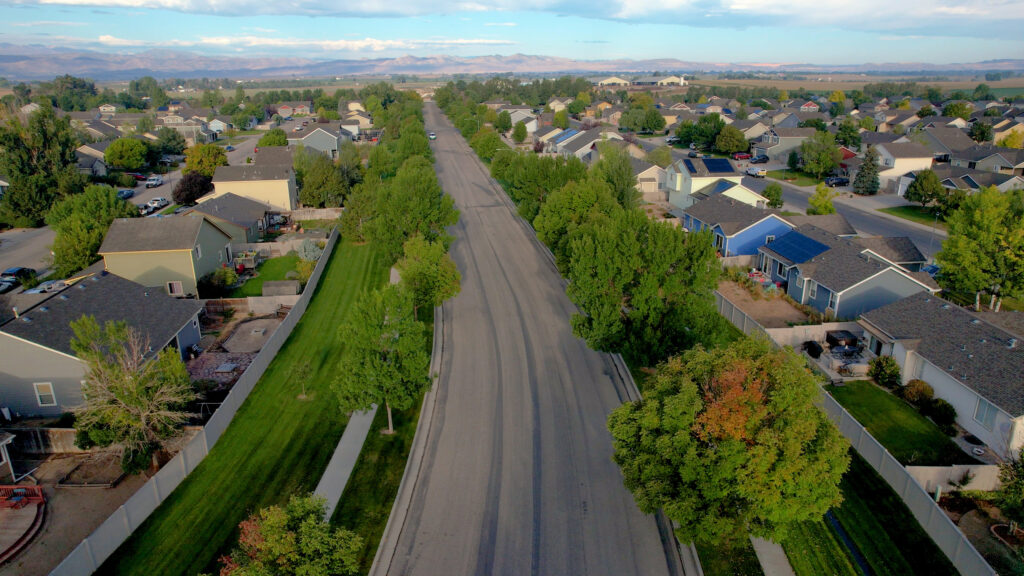
The Colorado State Forest Service awarded $706,528 to nine organizations through the 2026 Colorado Urban and Community Forestry grant program, funded by the USDA Forest Service. The program received 69 applications this year, highlighting both the competitive selection process and the demand for urban forestry funding across Colorado. Funded projects will support tree planting, pruning, removal and management on public and private property, including efforts to address dead and hazardous trees.
2026 Colorado IRA UCF Funded Projects
|
Applicant |
Project Name |
County |
|
City of Alamosa |
Alamosa’s Cole Park Urban Forest Renewal Project |
Alamosa |
|
City of Fort Collins |
Growing Diversity Through Data-Driven Forestry |
Larimer |
|
City of Golden |
City of Golden Forestry Initiatives |
Jefferson |
|
City of Loveland |
Knobcone Avenue Tree Canopy Project |
Larimer |
|
City of Sheridan |
Roots in Sheridan – Tree Management Plan |
Arapahoe |
|
Fire Adapted Park County |
Park County Wildfire Mitigation, Forest Health & Community Capacity Building Project |
Park |
|
The Park People |
Addressing Denver’s Big Ash Problem: Affordable treatments for private-property ash trees |
Denver |
|
RiversEdge West |
Colorado River Canopy Recovery: Kokopelli Site |
Mesa |
|
Town of Saguache |
Town of Saguache Tree Care Program |
Saguache |
The City of Alamosa will use funding to remove, prune and plant trees in Cole Park, a 22-acre community gathering space where approximately 20% of mature trees are in poor or worse condition. Funding may also support transplanting healthy trees that need to be relocated for the Alamosa Riverfront Project.
The City of Fort Collins will diversify its urban forest, where just 20 species account for 74% of publicly owned tree canopy, and ash trees make up approximately one-third of public and private canopy. The city will expand its tree inventory data, contract to grow a diverse selection of drought-adapted species, and plant trees in an area with low species diversity.
The City of Loveland will remove dead and dying trees along the Knobcone Avenue corridor and replace them with a diverse selection of low-water shade trees.
The City of Golden will develop a Forest Management Plan to guide urban forest management and replace ash trees infested with emerald ash borer. The project will help address challenges including low tree canopy cover and the spread of emerald ash borer.
The City of Sheridan will develop its first Urban Forestry Management Plan and comprehensive public tree inventory. The project will establish policies and operational frameworks to support the city’s long-term goal of achieving Arbor Day Foundation Tree City USA recognition.
Fire Adapted Park County will assess defensible space and home ignition risks on several hundred properties, provide homeowners with standardized, data-backed home ignition zone reports and host community education events on home hardening.
The Park People will partner with Canopy to pilot a citywide private property initiative and partnership to protect Denver’s ash trees from emerald ash borer, increase the diversity and resilience of Denver’s urban forest and educate residents about tree stewardship. Their project will preserve healthy canopies, replace trees where removal is necessary and expand tree planting in some of Denver’s lowest-canopy neighborhoods.
RiversEdge West will restore the riparian areas of the Kokopelli site in Fruita, which people regularly visit when traveling along the Riverfront Trail. This site has only 2.2% canopy cover and is dominated by invasive species. The project will remove invasive species and expand tree canopy to reduce heat, manage stormwater and improve the visitor experience.
The Town of Saguche will remove high-risk trees and prune trees in public green spaces and plant trees in areas with limited canopy cover. The town will also replace diseased, aging and dead trees with native species and introduce residents to forestry and horticultural careers through volunteer projects and tree care classes.
The Colorado State Forest Service offers a variety of programs and resources to help communities in Colorado manage their urban forests. Find services to help Colorado communities manage their trees here.