

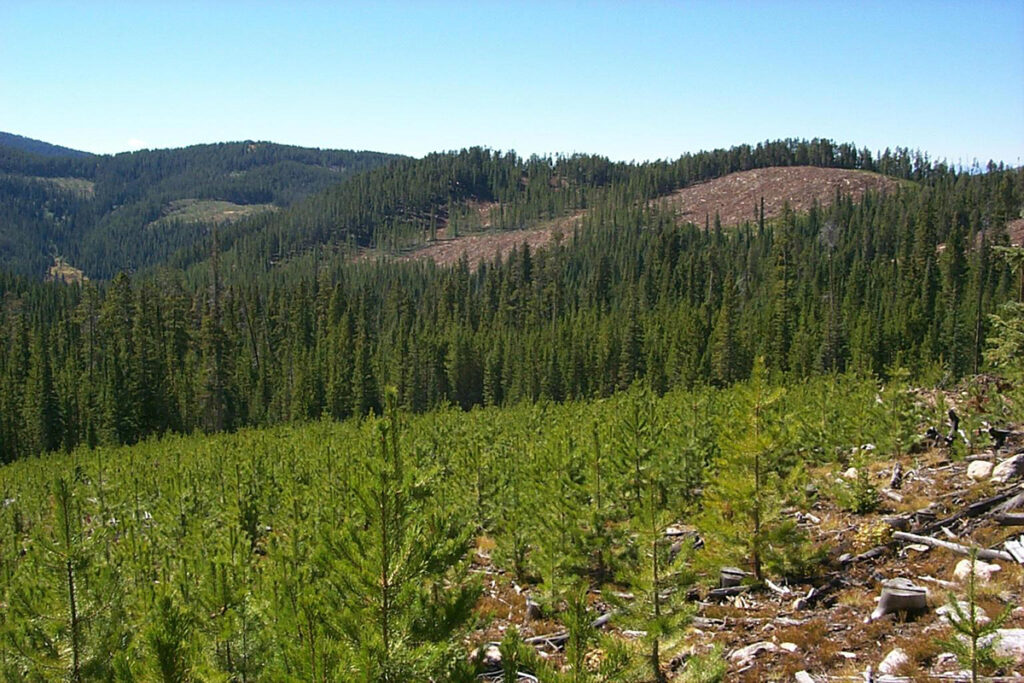
Forest Carbon Offsets for Colorado Landowners
Carbon markets exchange carbon credits and provide a way for forest landowners to derive long-term, non-consumptive value from well-managed forests.
Kristy Burnett
Communications Manager
(970) 491-4920
Kristy.Burnett@colostate.edu
Carbon markets exchange carbon credits and provide a way for forest landowners to derive long-term, non-consumptive value from well-managed forests.
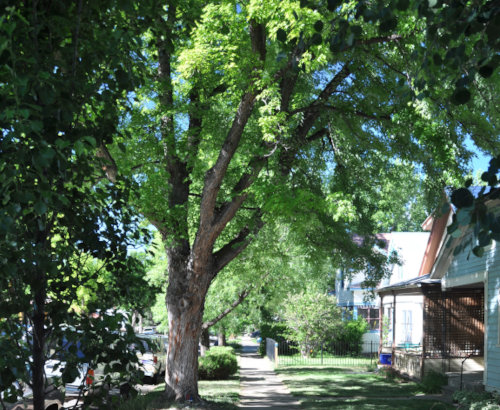
Urban and community forestry is about the relationship that we as people have with the natural world through trees where we live, work and play.

Colorado State Forest Service director Matt McCombs wishes Coloradans a Happy Arbor Day from the CSFS Nursery and talks about the importance of trees.
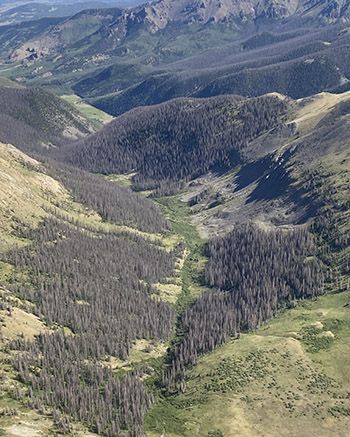
During their annual hearing before the Colorado General Assembly, State Forester Matthew McCombs and Regional Forester Frank Beum announced a report detailing the results of the 2021 aerial detection survey led by the USDA Forest Service, Rocky Mountain Region, and Colorado State Forest Service.
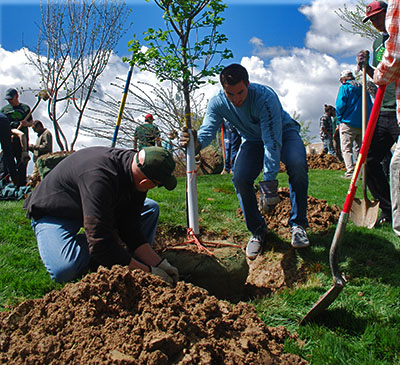
This year marks the 150th anniversary of Arbor Day, when the residents of Nebraska planted more than a million trees on April 10, 1872, to celebrate the first tree planter’s holiday.
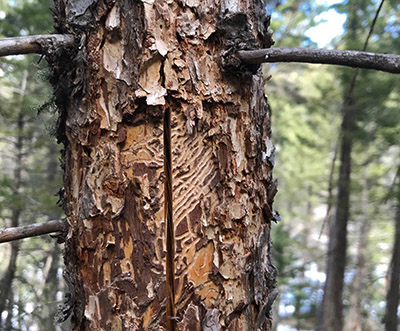
The forests in Colorado are subject to many different disturbances. Some of the most common disturbances are insect damage, disease damage and fire damage.
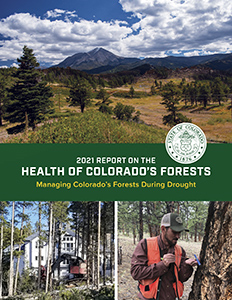
The Colorado State Forest Service published its annual forest health report this week, highlighting the current conditions of forests across Colorado and how the agency is improving the health of the state’s forests in the face of persistent drought and historic wildfires.
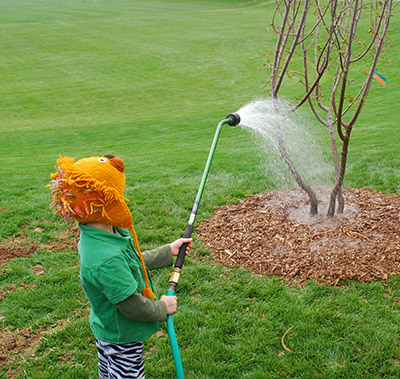
Despite snow falling in many regions of Colorado recently, most of the state is still experiencing drought conditions after an abnormally dry period at the end of last year, according to the National Drought Mitigation Center.
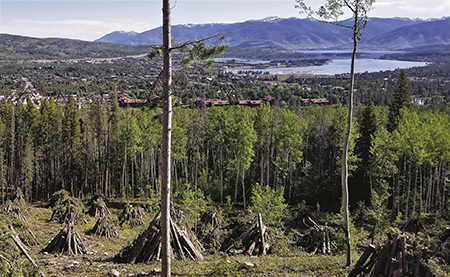
The Colorado State Forest Service and partners garnered a 2021 Chief’s Honor award for work in Summit County to reduce wildfire fuels and improve forest health.
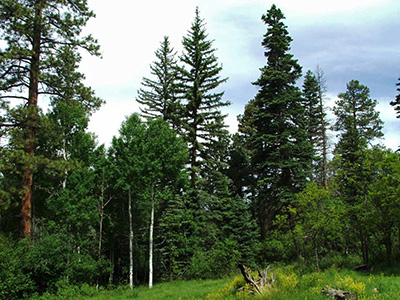
The challenges presented by climate change to Colorado forests necessitate forward thinking from forest managers.