Serving the San Luis Valley, including Alamosa, Conejos, Costilla, Mineral, Rio Grande and Saguache counties

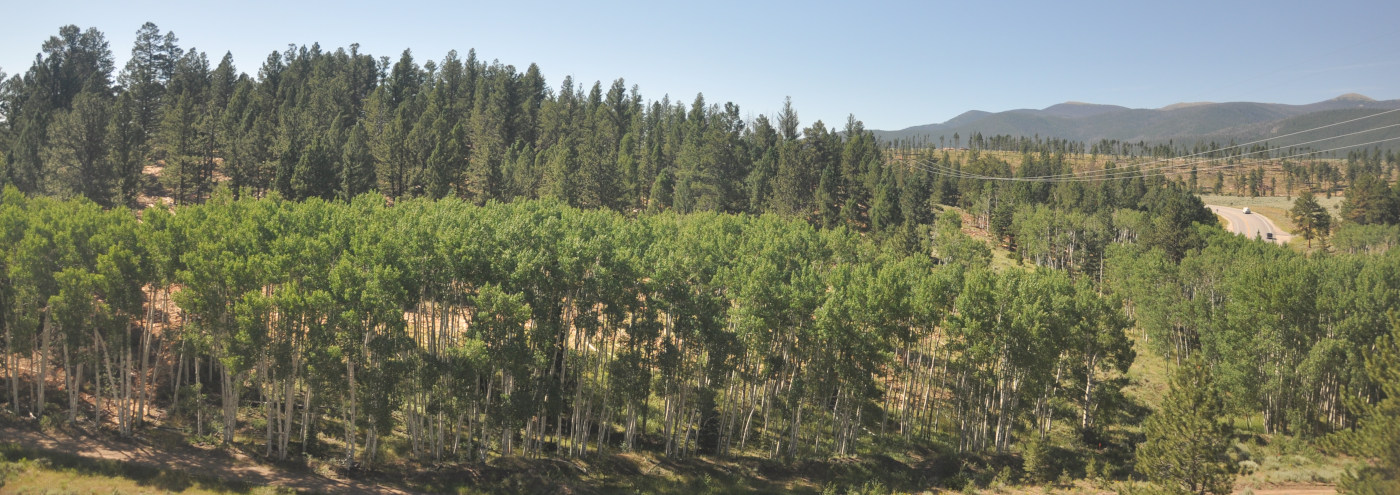
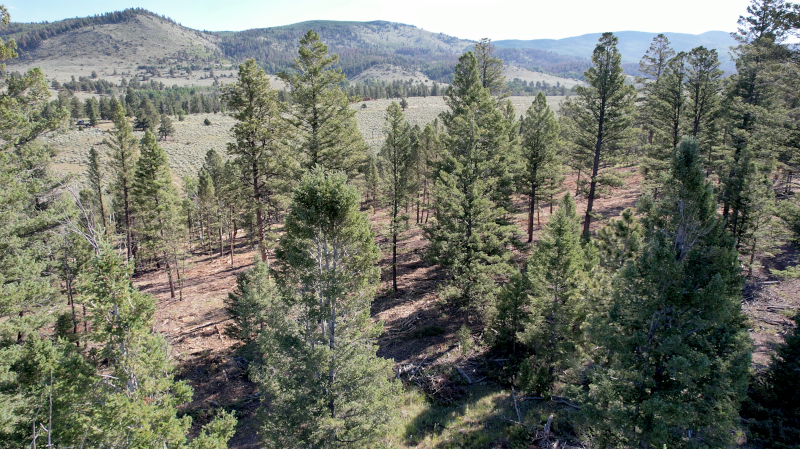
Trees lining Poncha Pass near a road.

Forestry assistance, wildfire mitigation expertise, and outreach and education

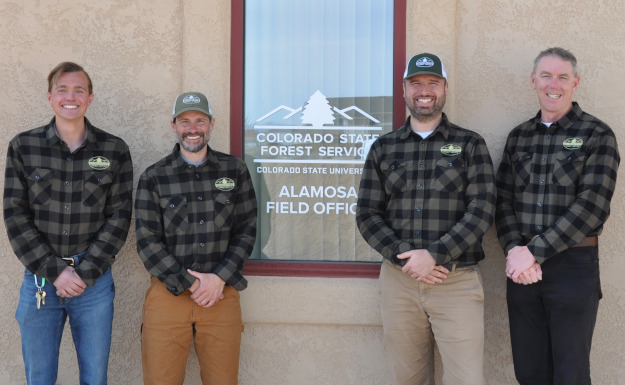
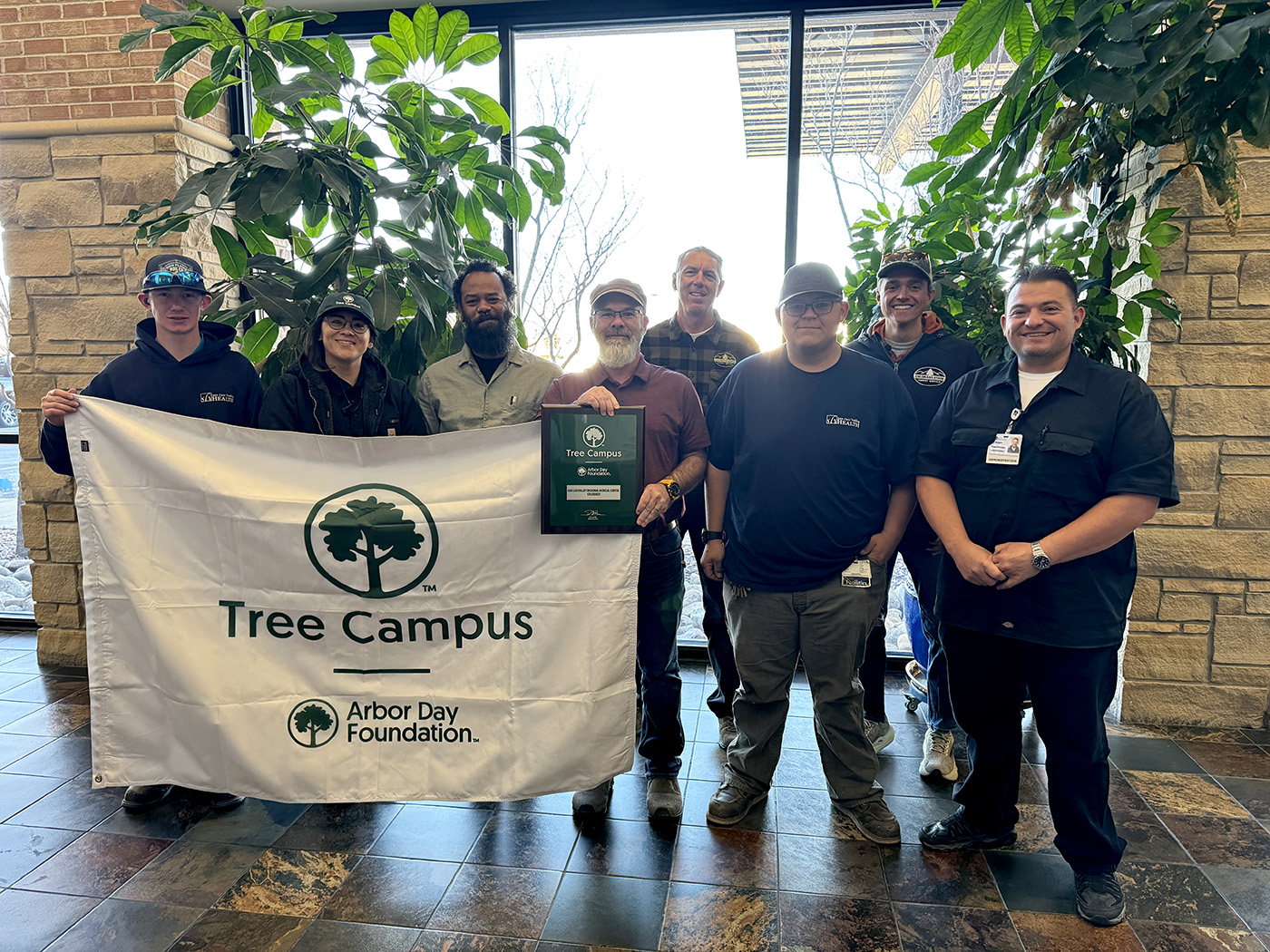
The CSFS Alamosa Field Office (right) works with residents and partners in the San Luis Valley to improve forest health, steward their trees and prepare homes and communities for wildfire.

The San Luis Valley covers roughly 8,500 square miles and extends from the valley floor at 7,500 feet to the summit of Mount Blanca at 14,351 feet.

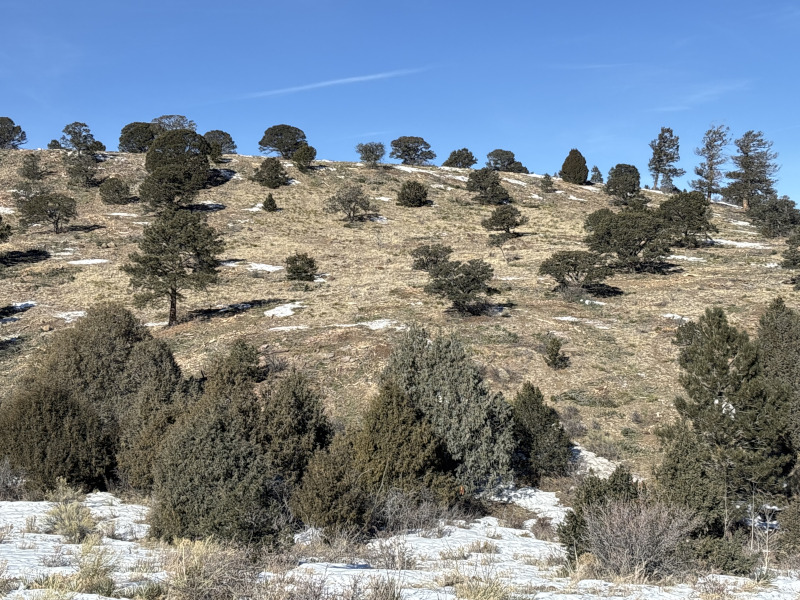
This wide range of elevation and the arid climate of southern Colorado support a variety of forest types, including piñon-juniper, mixed-conifer and spruce-fir.

The headwaters of the Rio Grande River start here and support riparian species, such as plains cottonwoods and willows.

Meet the staff

  • Adam Moore, Supervisory Forester of Communications and Communities
  • Sam Scavo, Lead Forester
  • Max Muller, Forester
  • Mark Wagner, Forester

Contact us

101 South Craft Drive, Ste B
Alamosa, CO 81101

P.O. Box 1137
Alamosa, CO 81101-1137

719-587-0915, 719-587-0917
[email protected]

Forestry services

Landowner programs

We help landowners from city lots to 1,000s of acres manage their trees with services ranging from insect and disease identification and management to writing and implementing forest management plans.

Landowners in Colorado with over 40 forested acres are eligible to sell their timber through the Forest Ag Program, which offers similar tax valuations of traditional agricultural lands. Forest landowners voluntarily participate in the Forest Ag Program and must fulfill certain requirements for initial eligibility.

Assisting residents in assessing their wildfire risk through community education events, designing fuels reduction projects, marking defensible spaces, grant opportunities and administering contracts.

Helping communities reduce their wildfire risk by becoming Firewise USA Communities.
Check out current insect and disease conditions with our interactive  statewide  map.

Warmer weather conditions with their associated droughts in the San Luis Valley create growing conditions that stress the health of trees making them more susceptible to native pests. Staff can assist in identifying what is affecting your trees and management options.

Highlights of locations of insects & disease damage in each county

Douglas-fir beetle – Insect killing most trees around the San Luis Valley

Alamosa County – Zapata Falls and Medano Creek in the Great Sand Dunes National Park & Preserve

Saguache County – Poncha Pass, Colo. 114 towards Cochetopa Pass

Conejos County – Colo. 17 in Conejos Canyon

Mineral County – Colo. 149 towards Creede

Rio Grande County – South Fork, Rock Creek and the Rio Grande National Forest

Mountain pine beetle

Rio Grande County – South Fork

Ips Beetle

Alamosa County – Great Sand Dunes National Park & Preserve

Western Spruce Budworm

Saguache County – Poncha Pass

Conejos County – Alamosa Canyon, Platoro Reservoir

Mineral County – Rio Grande National Forest

Rio Grande County – Rio Grande National Forest

Windbreaks are trees or shrubs planted in a row with the most common benefit of reducing blowing wind. Living snow fences are a type of windbreak planting of shrubs and trees located along roads designed to trap snow.

If you want to plant a windbreak in the valley, buffaloberry and Rocky Mountain juniper are excellent for drought resistance, cold hardiness and alkali tolerance. The narrowleaf cottonwood and golden willow require more water but also do well in alkaline soils and are cold-hardy.
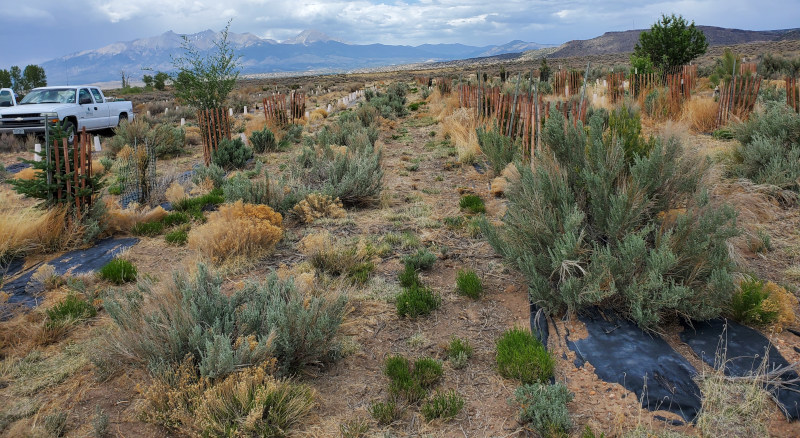
The most popular shrubs native to Colorado and the valley are: chokecherry, sumac, buffaloberry, wax currant, antelope bitterbrush and four-wing saltbrush.

In addition, sumac and four-wing saltbrush are excellent for drought resistance and cold hardiness. If you have alkaline soils, buffaloberry and four-wing saltbrush are good choices.

Trees native to the valley are: narrowleaf cottonwood, and in higher elevations, aspen, Colorado blue spruce, Douglas-fir, Engelmann spruce, lodgepole pine, ponderosa pine, Rocky Mountain juniper, white fir, bristlecone pine and limber pine.

Due to a shared pest with potatoes – the green peach aphid – the Colorado Department of Agriculture has imposed a quarantine of certain Prunus species. Due to this quarantine, Manchurian Apricot and Plum are not for sale within the San Luis Valley. There is an exception to this quarantine for the following species as they are not a known host for the green peach aphid:

  • Prunus besseyi – western sand cherry
  • Prunus cisterna – purple leaf sand cherry
  • Prunus glandulosa – flowering almond
  • Prunus maackii – amur chokecherry
  • Prunus tomentosa – nanking cherry
  • Prunus triloba – flowering almond
  • Prunus virginiana – chokecherry

If you want to plant a windbreak in the valley, buffaloberry and Rocky Mountain juniper are excellent for drought resistance, cold hardiness and alkali tolerance. The narrowleaf cottonwood and golden willow require more water, but also do well in alkaline soils and are cold hardy.

For more information about recommended trees & shrubs, check out these documents:

Conservation seedling supplies available from the Alamosa Field Office
Fertilizer Tablets 20% nitrogen, 10% phosphorous & 5% potassium
(Packaged in bags of 50)
$10/bag
Polymer Soil Additive
(8 oz bag – will do approx. 60 seedlings)
$9/bag
Slurry Polymer (8 oz bag – will do approx. 100 seedlings) $9/bag
Tree Guard with stakes (24″ high) $1.10 each
Tree Shade (sunscreen) with wickets $1 each
Weed Barrier Fabric – 6′ x 300′ roll
Weed Barrier Fabric – 4′ x 4′ square
$140.00/roll
$3/square

For more information, visit Seedling Tree Nursery page.

Forest management

State Land Trust forest management

The Colorado State Board of Land Commissioners (State Land Board), manages lands that the U.S. federal government granted to Colorado in public trust, commonly referred to as State Land Trust. The Alamosa Field Office helps manage forested portions of these lands in our area. Examples include:

  • Jointly working with Colorado Parks & Wildlife to manage wildlife habitat
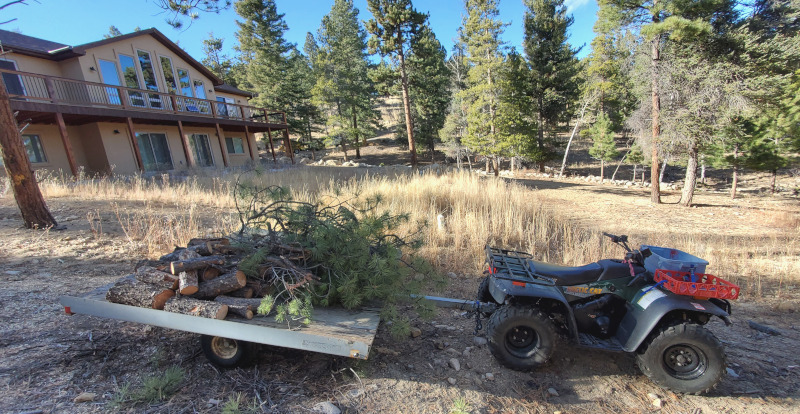
  • Providing both individual and commercial firewood permits
  • Providing both individual and commercial tree transplant opportunities

First authorized by Congress in the 2014 Farm Bill, the Good Neighbor Authority program allows the federal government to enter into agreements with state forestry agencies to help implement critical forest management activities. This agreement adds the capacity needed to foster positive change in Colorado’s forests. The Alamosa Field Office has been working with the Rio Grande National Forest under a GNA agreement since 2017.

U.S. Forest Service

The Alamosa Field Office assists the Rio Grande National Forest in increasing their positive impact on forests within the San Luis Valley. This support is in the form of commercial firewood permits, small and large timber sales, and timber stand improvement projects.

U.S. Bureau of Land Management

The Alamosa Field Office expanded its GNA Program with the BLM in 2021. As with the GNA agreements with USFS, CSFS brings added capacity and expertise to assist with the management of forested BLM lands. This direct assistance is in the form of timber stand improvements, fuels reduction and wildlife habitat improvement projects.

Purchasing opportunities

Firewood – commercial firewood

Small timber sales – 1-10 acres

Large timber sales – contact our office to get on our bid list for purchasing

Stewarding the land

Managing trees for wildlife, fuels management and insect & disease control.

Mastication work

Projects with both the BLM and USFS to manage pinyon-juniper stands, reduce insect and disease damage, improve wildlife habitat, and reduce wildfire risk.

Hand thinning

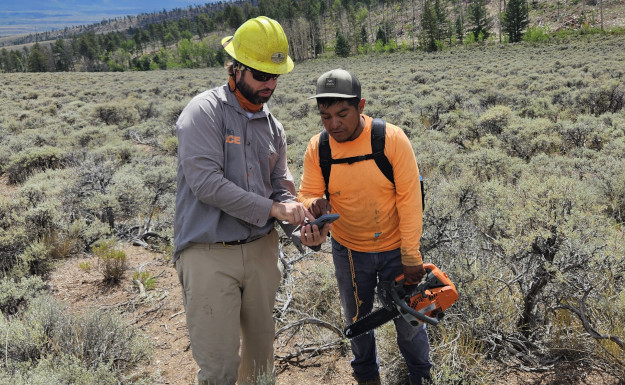
Focused work where trees are thinned with chainsaws. The thinned trees are either put in piles to be burned or spread on the ground for broadcast prescribed burns.

Community trees and outreach

Urban and community forestry

Within the Alamosa Field Office area, the following communities are Tree City USA participants:

  • Alamosa
  • Del Norte
  • Monte Vista
  • Saguache

We also help communities by providing:
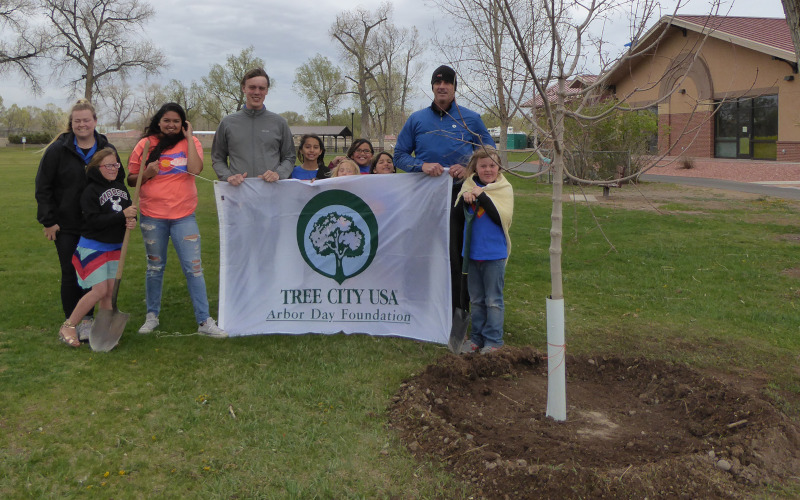
  • Pruning workshops
  • Tree planting grants
  • Tree selection guidance
  • Landscape plan reviews

Providing education on the benefits and management of trees is an important part of our work. Our outreach activities include:
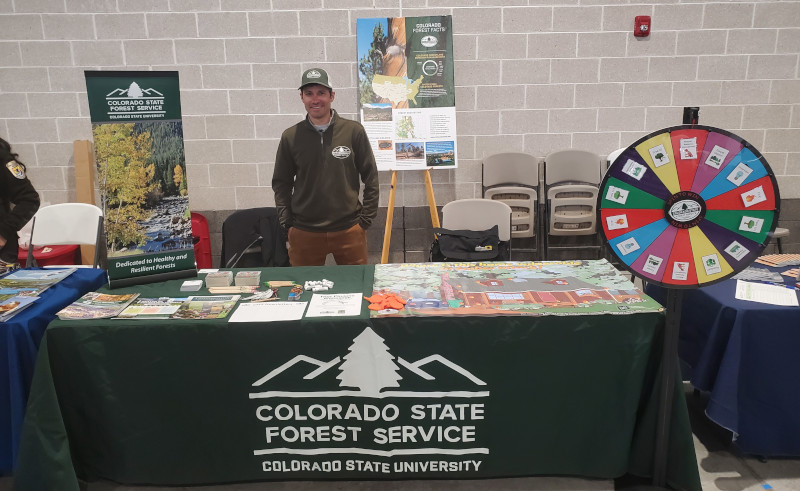
  • Educational booths at events like the Monte Vista Crane Festival
  • Working with high schools on the statewide Envirothon competition training
  • Engaging community groups such as Boys & Girls Club, Boy Scouts and Rotary in tree planting projects.
Landowner programs

Helping landowners from city lots to 1,000s of acres manage their trees with services ranging from insect and disease identification and management to writing and implementing forest management plans.

Landowners in Colorado with over 40 forested acres are eligible to sell their timber through the Forest Ag Program, which offers similar tax valuations of traditional agricultural lands. Forest landowners voluntarily participate in the Forest Ag Program and must fulfill certain requirements for initial eligibility.

Assisting residents in assessing their wildfire risk through community education events, designing fuels reduction projects, marking defensible spaces, grant opportunities and administering contracts.

Helping communities reduce their wildfire risk by becoming Firewise USA Communities.

Warmer weather conditions with their associated droughts in the San Luis Valley create growing conditions that stress the health of trees making them more susceptible to native pests. Staff can assist in identifying what is affecting your trees and management options.

Highlights of locations of insects & disease damage in each county.

Highlights of locations of insects & disease damage in each county

Douglas-fir beetle – Insect killing most trees around the San Luis Valley

Alamosa County – Zapata Falls and Medano Creek in the Great Sand Dunes National Park

Saguache County – Poncha Pass, Hwy 114 towards Cochetopa Pass

Conejos County – Hwy 17 in Conejos Canyon

Mineral County – Hwy 149 towards Creede

Rio Grande County – South Fork, Rock Creek and the Rio Grande National Forest

Mountain pine beetle

Rio Grande County – South Fork

Ips Beetle

Alamosa County – Great Sand Dunes National Park

Western Spruce Budworm

Saguache County – Poncha Pass

Conejos County – Alamosa Canyon, Platoro Reservoir

Mineral County – Rio Grande National Forest

Rio Grande County – Rio Grande National Forest

Within the Alamosa Field Office, the following communities are Tree City USA participants – Alamosa, Del Norte, Monte Vista, and Saguache.

We also help communities by providing pruning workshops, tree planting grants, tree selection, and landscape plan reviews.

Windbreaks are trees or shrubs planted in a row with the most common benefit of reducing blowing wind. Living snow fences are a type of windbreak planting of shrubs and trees located along roads designed to trap snow.

The most popular shrubs native to Colorado and the valley are: chokecherry, sumac, buffaloberry, wax currant, antelope bitterbrush and four-wing saltbrush.

In addition, sumac and four-wing saltbrush are excellent for drought resistance and cold hardiness. If you have alkaline soils, buffaloberry and four-wing saltbrush are good choices.

Trees native to the valley are: narrowleaf cottonwood, and in higher elevations, aspen, Colorado blue spruce, Douglas-fir, Engelmann spruce, lodgepole pine, ponderosa pine, Rocky Mountain juniper, white fir, bristlecone pine and limber pine.

Due to a shared pest with potatoes – the green peach aphid – the Colorado Department of Agriculture has imposed a quarantine of certain Prunus species. Due to this quarantine, Manchurian Apricot and Plum are not for sale within the San Luis Valley. There is an exception to this quarantine for the following species as they are not a known host for the green peach aphid:

  • Prunus besseyi – western sand cherry
  • Prunus cisterna – purple leaf sand cherry
  • Prunus glandulosa – flowering almond
  • Prunus maackii – amur chokecherry
  • Prunus tomentosa – nanking cherry
  • Prunus triloba – flowering almond
  • Prunus virginiana – chokecherry

If you want to plant a windbreak in the valley, buffaloberry and Rocky Mountain juniper are excellent for drought resistance, cold hardiness and alkali tolerance. The narrowleaf cottonwood and golden willow require more water, but also do well in alkaline soils and are cold hardy.

For more information about recommended trees & shrubs, check out these documents:

Conservation seedling supplies available from the Alamosa Field Office
Fertilizer Tablets 20% nitrogen, 10% phosphorous & 5% potassium
(Packaged in bags of 50)
$10/bag
Polymer Soil Additive
(8 oz bag – will do approx. 60 seedlings)
$9/bag
Slurry Polymer (8 oz bag – will do approx. 100 seedlings) $9/bag
Tree Guard with stakes (24″ high) $1.10 each
Tree Shade (sunscreen) with wickets $1 each
Weed Barrier Fabric – 6′ x 300′ roll
Weed Barrier Fabric – 4′ x 4′ square
$140.00/roll
$3/square

For more information, visit Seedling Tree Nursery page.

Visit our Resources for Educators & Youth page for more information.

Jointly working with CO Parks & Wildlife to manage habitat for wildlife.

Providing both individual and commercial firewood permits.

Providing both individual and commercial tree transplant opportunities

Saguache County – Marmot Spruce Salvage – 1,087 acres

Future projects

Conejos County – Conejos Canyon and 2A mastication projects – 426 acres.

Alamosa County – Zapata HOA fuels reduction and thinning projects

2027 work

Past Projects

Saguache Spruce NWTF Timber Sale – 1900 acres

Good Neighbor Authority projects / timber sales

First authorized by Congress in the 2014 Farm Bill, the Good Neighbor Authority program allows the federal government to enter into agreements with state forestry agencies to help implement critical forest management activities. This agreement adds the capacity needed to foster positive change in Colorado’s forests. The Alamosa Field Office has been working with the Rio Grande National Forest under a GNA agreement since 2017.

USFS – The Alamosa Field Office assists the Rio Grande National Forest in increasing their positive impact on forests within the San Luis Valley. This support is in the form of commercial firewood permits, small and large timber sales, and timber stand improvement projects.

BLM – The Alamosa Field Office expanded its GNA Program with the BLM in 2021. As with the GNA agreements with USFS, CSFS brings added capacity and expertise to assist with the management of forested BLM lands. This direct assistance is in the form of timber stand improvements, fuels reduction and wildlife habitat improvement projects.

Purchasing opportunities

Firewood – commercial firewood

Small timber sales – 1-10 acres

Large timber sales – contact our office to get on our bid list for purchasing

Stewarding the land

Managing trees for wildlife, fuels management and insect & disease control.

Mastication work

Projects with both the BLM and USFS to manage pinyon-juniper stands, reduce insect & disease damage, improve wildlife habitat, and reduce wildfire risk.

Hand thinning

Focused work where trees are thinned with chainsaws. The thinned trees are either put in piles to be burned or spread on the ground for broadcast prescribed burns.

Q: Where can I harvest firewood?

A: Permits for firewood on State Trust Land can be purchased from the CSFS office. Permits for firewood on BLM land can be purchased online or at their office in Monte Vista or online.

Permits for firewood on USFS land can be purchased online or at their offices in La Jara, Del Norte or Saguache.

Q: Where can I camp on State Trust Land?

A: The CSFS does not manage recreational opportunities on State Trust Land. Our primary objective is to increase forest health, while creating revenue for the state. Colorado Parks and Wildlife may be able to assist you in locating a suitable place to camp. They can be reached at 719-587-6900.

Q: How do I purchase seedlings from the CSFS?

A: The CSFS conservation seedling program starts to take orders around November and delivers the seedlings near the end of April. If you live in a county the Alamosa Field Office serves, you may place your order with the CSFS nursery within the allotted timeframe.

Q: What makes the CSFS different from the U.S. Forest Service?

A: The CSFS primarily assists private forest landowners with their forest management goals and also manages state trust lands. The USFS concentrates mostly on federal land.

Q: I want to do wildfire mitigation work on my property, who should I contact?

A: Contact your local CSFS field office. We are more than happy to do a defensible space consultation. During the consultation, we will look over your property, address your concerns, and give recommendations or design a project.

Recent projects

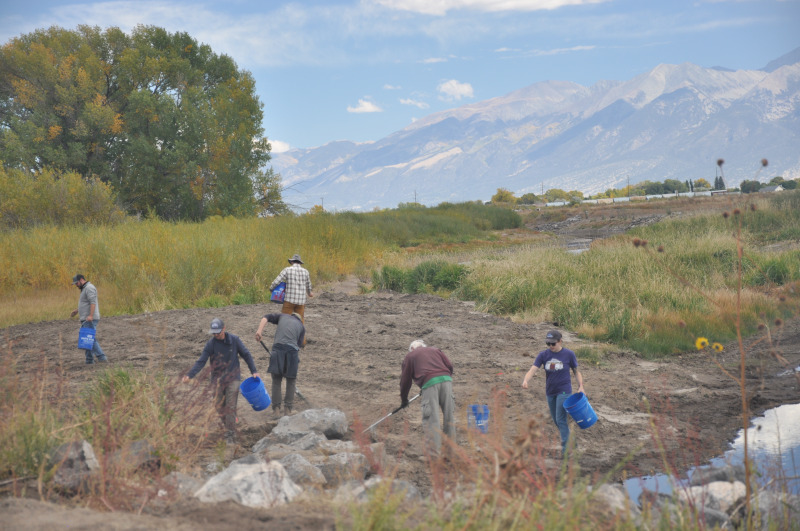
Stream restoration on the Rio Grande near Alamosa
Rio Grande Headwaters Restoration Project members removed trash, contoured the river bank, added fish habitat, and performed a revegetation project on open space along the Rio Grande River and the Malm Trail network.
Rock Creek GNA mastication project
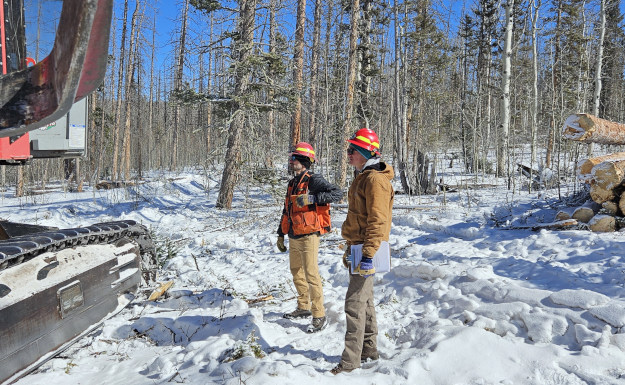
CSFS foresters oversee the 767-acre Rock Creek Service project southwest of Monte Vista, bringing four natural resource agencies together under the GNA to accomplish wildfire mitigation, create a fuel break, and conserve wildlife habitat.
A forested section of Poncha Pass at the north end of the Colorado San Luis Valley
Poncha Pass fuels mitigation
Spanning BLM and private lands in Saguache and Chaffee counties along U.S. 285., we removed dead timber caused by Douglas-fir beetle and western spruce budworm resulting in lower wildfire risk for residents, safer recreation in the BLM recreation area, and protection of the Rio Grande and Arkansas River watersheds.

Frequently asked questions

Where can I harvest firewood?

Permits for firewood on State Trust Land can be purchased from the Alamosa Field Office. Permits for firewood on U.S. Bureau of Land Management land can be purchased online or at their office in Monte Vista.

Permits for firewood on U.S. Forest Service land can be purchased online or at the La Jara, Del Norte or Saguache offices.

The CSFS does not manage recreational opportunities on State Trust Land. Our primary objective is to increase forest health, while creating revenue for the state.

Colorado Parks and Wildlife may be able to assist you in locating a suitable place to camp. Call them at 719-587-6900.

The CSFS conservation seedling program takes orders around November each year and delivers the seedlings near the end of April.

If you live in a county the Alamosa Field Office serves, you may place your order with the CSFS nursery within the allotted timeframe.

The CSFS primarily assists private forest landowners with their forest management goals and also manages State Trust Lands. The USFS concentrates mostly on federal land.

Contact your local CSFS field office. We are more than happy to conduct a defensible space consultation for your property. During the consultation, we will:

  • Look over your property
  • Address your concerns and priorites
  • Provide recommendations
  • Help design a project

Alamosa Field Office News

Type your address or the city or town where you live into the search field on this map.

Map powered by the Colorado Forest Atlas from the Colorado State Forest Service