2025 Forest Health Report: Emerald Ash Borer
Filling in the puzzle pieces

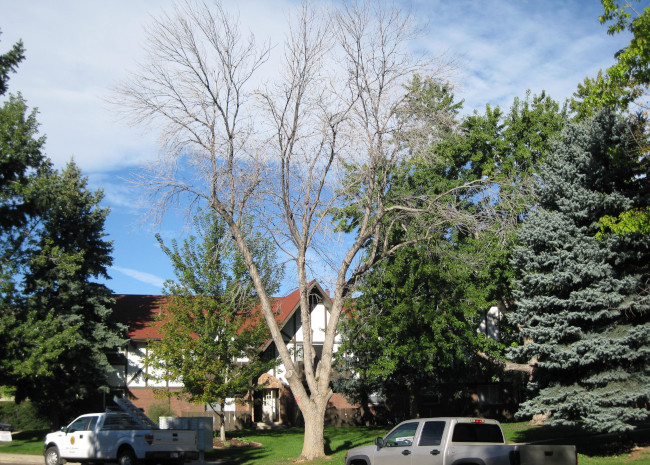
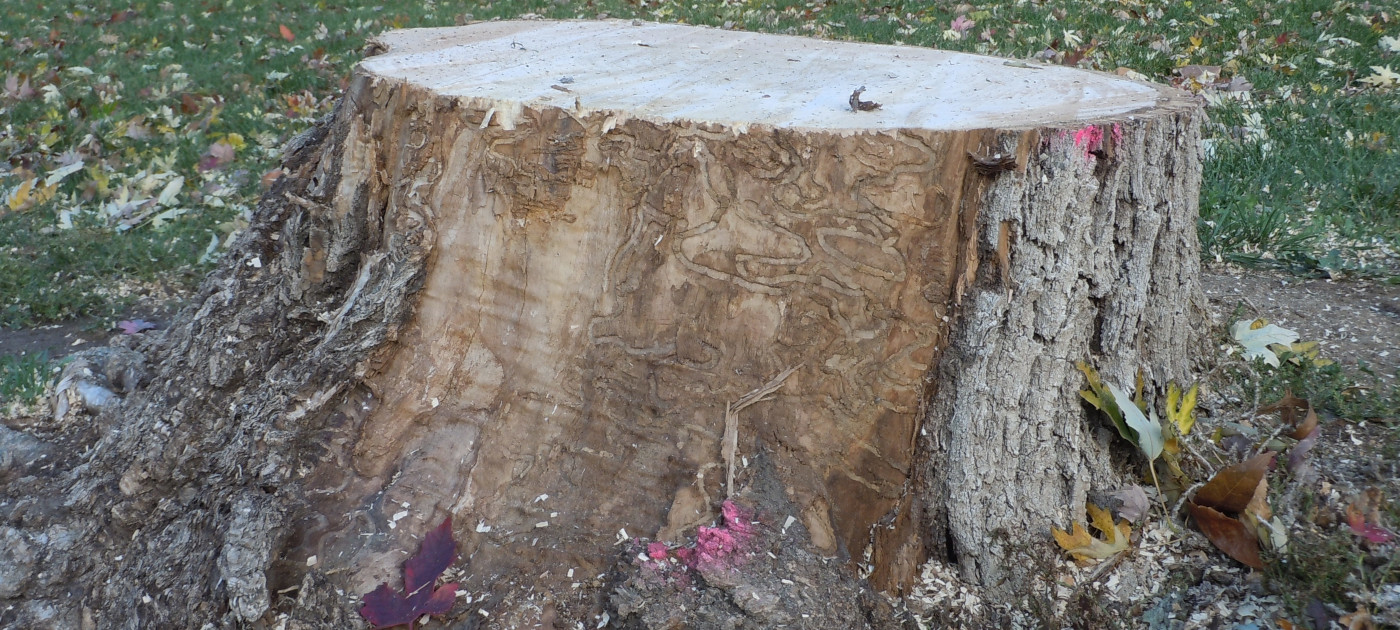
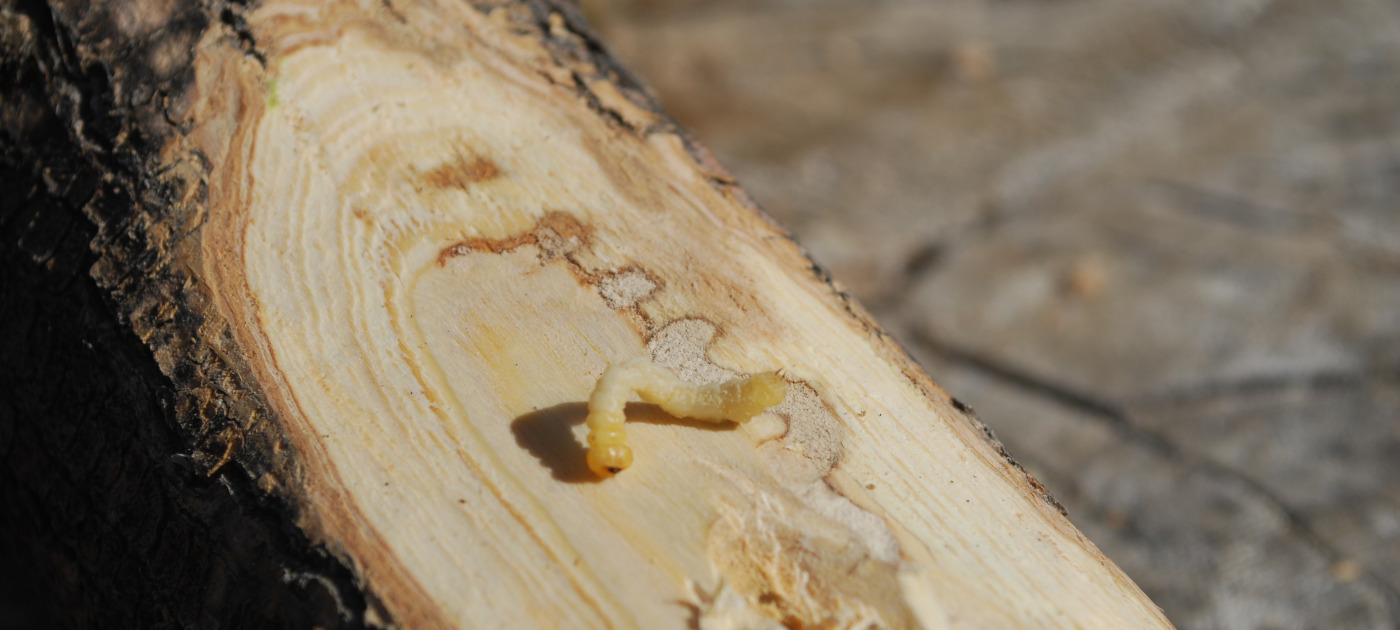
The CSFS maintains a map of Colorado municipalities with EAB detections to track its spread. Over the years, as more cities and towns were added, several large gaps existed on the map, even though it was expected that EAB was present in more cities. EAB can live in an ash tree for several years before the tree shows signs of infestation. It builds populations over those years before a crescendo occurs, when the canopy thins and conditions are prime for adults to emerge.
Denver, Aurora, Golden, Berthoud, Edgewater and Wheat Ridge all had initial detections of EAB in 2025, the most in a single year since EAB was first found in Boulder, filling in big gaps in the map.
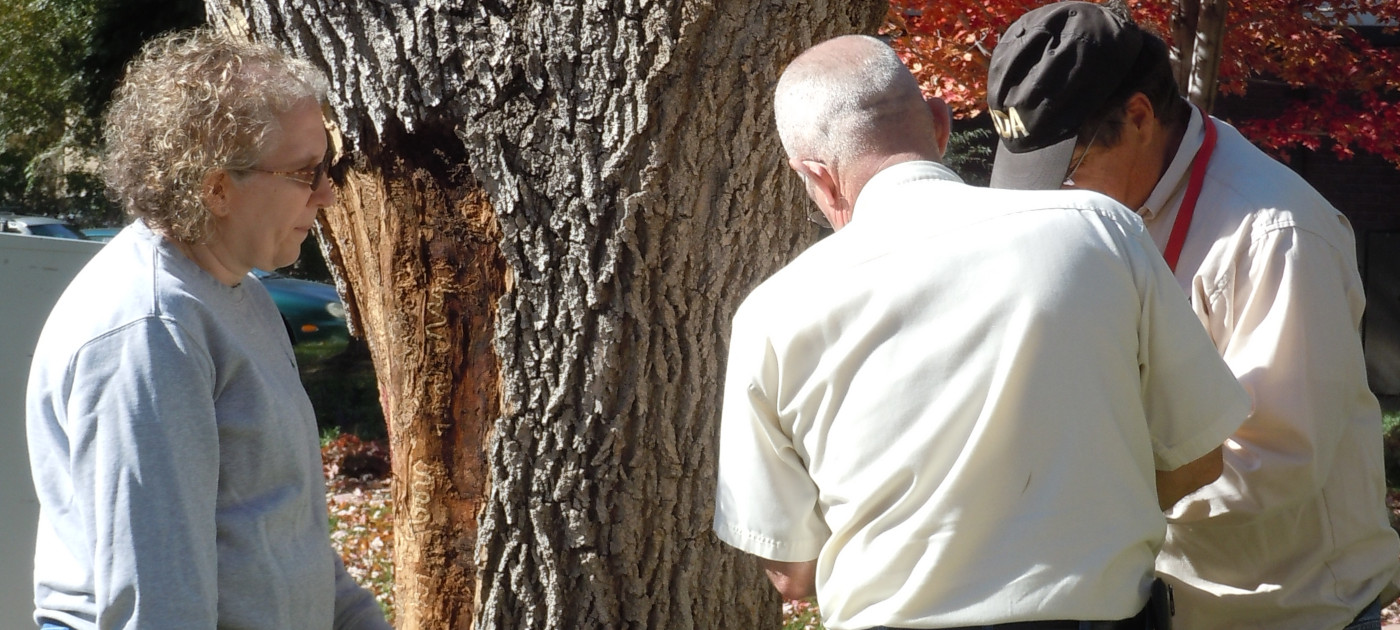
“It’s not really surprising to find it in these locations. We’ve all assumed it was in Denver for many years,” said Kathleen Alexander, Boulder city forester. “It’s very hard to detect EAB especially here in Colorado because we have so many other abiotic and biotic problems that can cause symptoms that look like EAB. … By the time you find EAB and detect it based on those symptoms, it’s already spread, so it’s to that point where it’s becoming a lot more obvious.”
About 15% of the trees in Colorado’s urban forests are ash, making EAB a major threat to trees in cities and towns statewide. As this insect spreads across Colorado, it has the potential to reduce the tree canopy for communities and the benefits that trees provide, including clean air and water, lower energy costs, wildlife habitat, noise reduction, economic value, shade, beauty and places to recreate.
Early detection, rapid response
Alexander has been with the City of Boulder for 29 years. She was there when EAB was first detected in Colorado and watched its spread from the epicenter in Boulder. She credits planning and a proactive response to EAB for helping to hinder its spread in Colorado initially.
Before it was detected, partners with the Emerging Pests in Colorado (EPIC) group drafted a state EAB response plan, knowing the devastation it had caused in urban forests in the Midwest and the many visitors who travel to Colorado with the potential to bring infested ash wood.
At the time of detection in 2013, the nearest known infestation was in Kansas City about 600 miles away, but a human can drive the insect hundreds of miles to a new place – much farther than the few miles an adult can fly on its own to find and infest a new tree.
Boulder monitored its ash for EAB and was ready when it arrived. “The earlier you detect a pest, the more management options you have available to you,” Alexander said.
After the detection, Boulder implemented an aggressive strategy to curb EAB’s spread by reducing populations and its food source. This included the following actions:
- Ongoing pesticide treatments of trees based on surveys showing where there were infested trees and ash worth preserving
- Biocontrol releases of non-stinging parasitic wasps
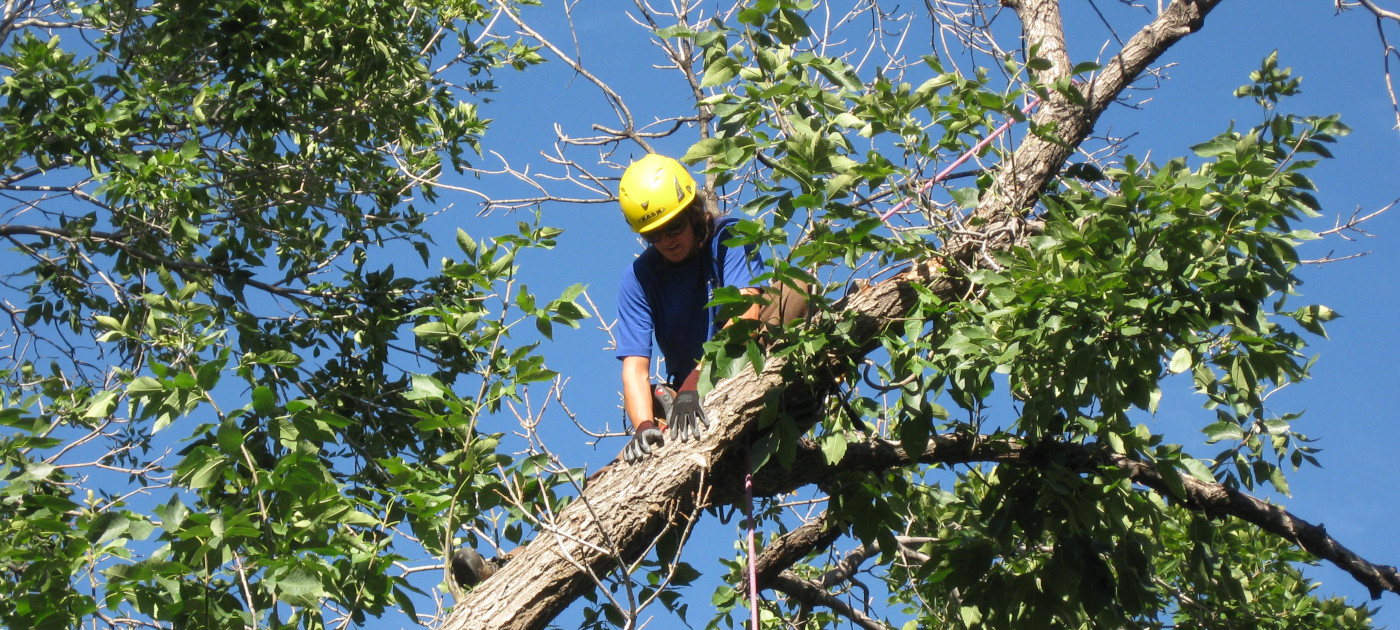
- Removal of symptomatic ash and growing other tree species to diversify Boulder’s canopy
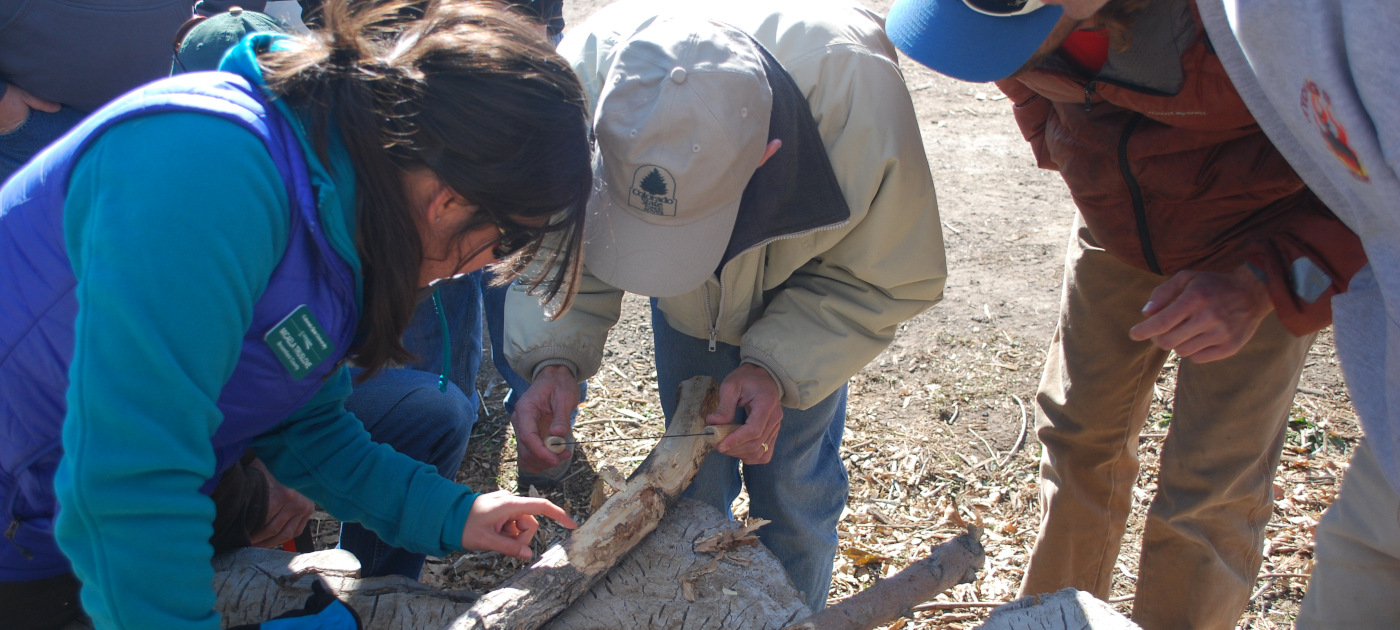
- Education of the public, arborists, foresters, and local and state officials about what they could do to detect EAB and manage their trees
Other nearby cities enacted similar management efforts, and diverse partners established the EAB Response Team to coordinate education and outreach. In addition, the Colorado Department of Agriculture – and then the federal Animal and Plant Health Inspection Service – established a quarantine around Boulder County to prevent and reduce the spread of ash wood. (The quarantine was repealed effective Dec. 30, 2019.)
All of this speaks to the cooperative nature in Colorado that is present in so many aspects of natural resource management. “We certainly did our part [in Boulder],” Alexander said, “but it was that collaborative effort. It was everyone working together, coming together, because we knew that this had the potential to be really bad after what we had seen in the Midwest.”

Factors influencing the spread of EAB
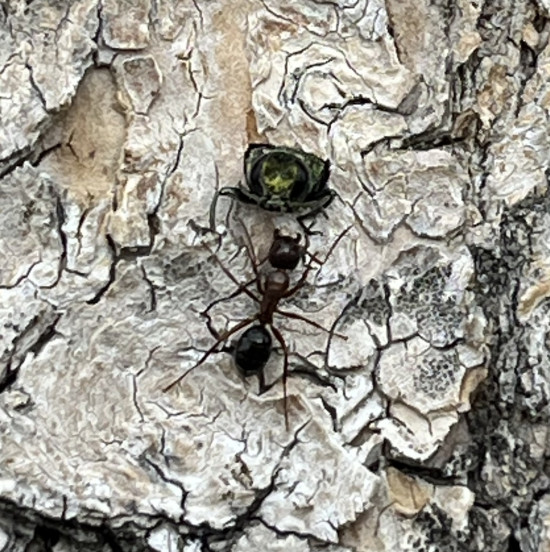
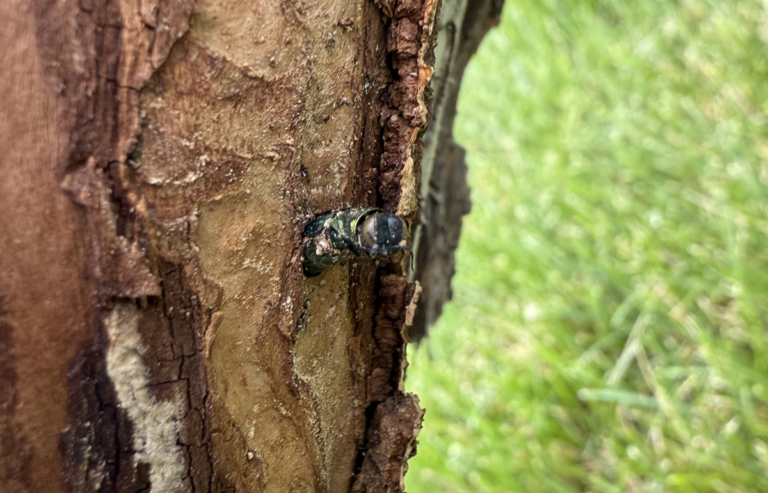
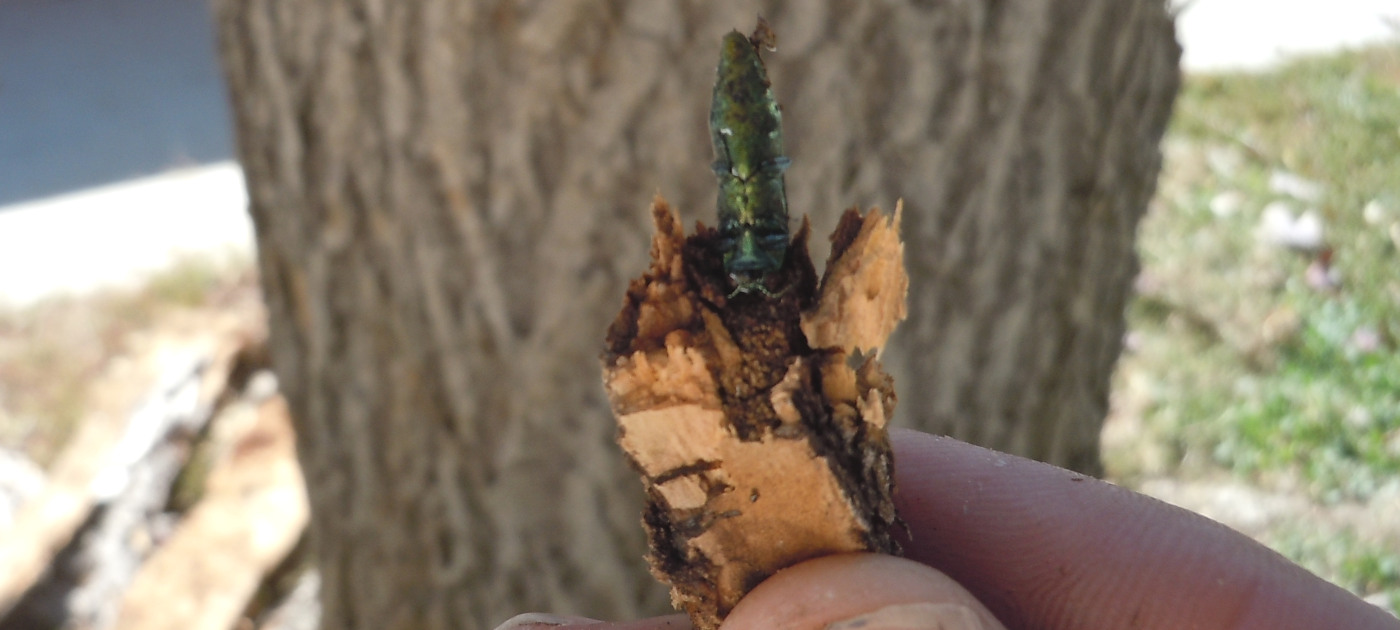
Along with effective management, the dry, arid conditions in Colorado may impact the spread of EAB, along with cold snaps in the spring. These conditions make it hard for ash trees to grow in Colorado, putting them in perpetual defense mode, but they also make it hard for EAB to survive and thrive as well. Picture the EAB half-out of the bark, dead on emergence like the ones Killoran and his staff found in Lakewood and Denver.
In addition, while ash trees are prevalent in many Colorado communities, they are not native to areas of Colorado where EAB is currently present and suitable habitat for EAB is fragmented. Ash trees were planted in cities and towns and have become naturalized in localized areas over time. But there are no forests of ash that connect communities to each other, making it more challenging for EAB to spread naturally.
All those factors – management actions, climate conditions and fragmented habitat – can play a role in the ability of EAB to infest new trees. Humans, however, play a more direct role in the spread of EAB across Colorado by moving infested wood.
EAB showed up north of Fort Collins in 2020, seven years after first being detected in the state, many miles from the closest known detection in Colorado at the time. A decade after that initial detection in Colorado, EAB was found in Carbondale in 2023 on the other side of the Continental Divide, far from the northern Front Range where all other detections of EAB in Colorado exist.