

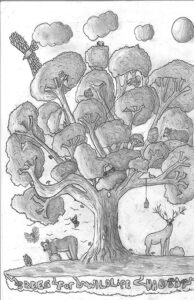
Castle Rock Fifth Grader Wins 2024 Colorado Arbor Day Poster Contest
Congratulations to Oliver Georgides, whose poster depicting the theme of “Trees for Wildlife Habitat” won the statewide contest.
Congratulations to Oliver Georgides, whose poster depicting the theme of “Trees for Wildlife Habitat” won the statewide contest.
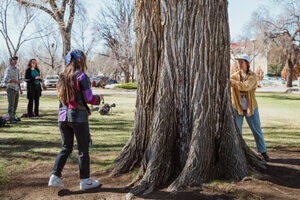
Trees are beautiful and provide a shady spot on a summer day. They also remove pollutants from the air, store carbon and produce oxygen. For Arbor Day, CSFS Forestry Tech Elle DeWaard led an effort to put a dollar amount on the benefits of trees on CSU’s campus.
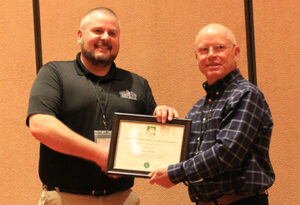
The Colorado-Wyoming Society of American Foresters met in Loveland, Colo., on March 21, 2024, and three CSFS employees received awards for their achievements in forestry.

Christina Burri will begin this important leadership role in the Colorado State Forest Service on May 6, 2024.
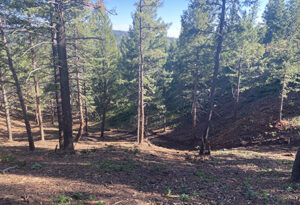
Governor Jared Polis announced awards for the 2023-2024 Forest Restoration and Wildfire Risk Mitigation grant program grant cycle. In total, the Colorado State Forest Service will award $7.2 million to 31 projects in 17 counties across Colorado.

March is Women’s History Month and an excellent opportunity to learn more about the women who work in the Colorado State Forest Service across the state. Their enthusiasm for forestry, Colorado and the CSFS is contagious.
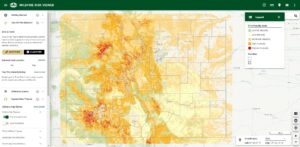
The Colorado Wildfire Risk Assessment (CO-WRA) is a statewide geospatial analysis designed to increase wildfire awareness, provide comprehensive data and information concerning wildfire risk and local fire history and educate users about wildfire risk reduction and hazard mitigation resources available from the Colorado State Forest Service (CSFS) and partner organizations. The 2022 CO-WRA update was released on July 17, 2023.
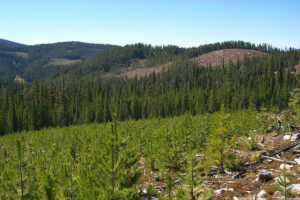
Carbon markets exchange carbon credits and provide a way for forest landowners to derive long-term, non-consumptive value from well-managed forests.
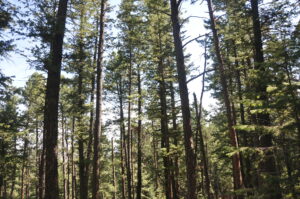
Gaining a better understanding of the complexities of carbon can help inform management strategies, identify priority areas, and promote climate mitigation and adaptation.