Mountain Pine Beetle

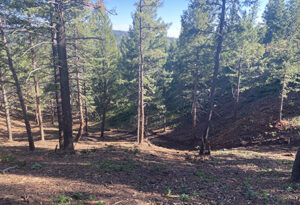
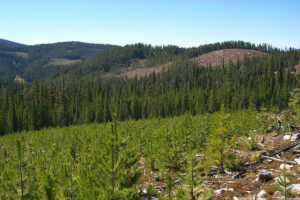
Mountain pine beetle (MPB) is an insect native to the forests of western North America and is also known as the Black Hills beetle or the Rocky Mountain pine beetle.

Colorado Mountain Pine Beetle

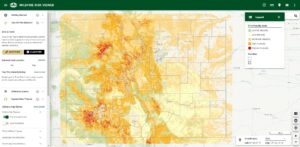
2012 Mountain Pine Beetle
Activity by Host Species

Click on the 2012 Mountain Pine Beetle Activity by Host Species map to view a full-size version (290 KB PDF).

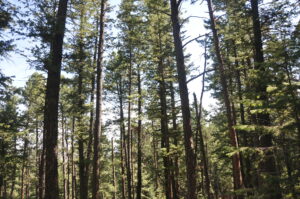
MPB primarily develop in pines such as lodgepole, ponderosa, Scotch and limber pines, and less commonly affect bristlecone and piƱon pines.

Symptoms of Infestation

Popcorn-shaped masses of resin, called pitch-tubes, which may be brown, pink or white in color, will be found on the trunk where the beetle began tunneling. Boring dust may be found in bark crevices or on the ground immediately adjacent to the tree base.

Evidence of woodpeckers feeding on the trunk may indicate MPB infestation. Patches of bark may be missing where the woodpecker was feeding, and bark flakes may be found on the ground below the tree. These symptoms are similar to the ips beetle, so be sure to properly identify the beetles you find associated with your tree before deciding on treatment.

Management Options

Logs infested with MPB larvae can be treated in various ways to kill developing beetles before they emerge as adults in summer.
Treatments include:

  1. Burning, burying, chipping or removing infested logs
  2. Solar treatments

Mountain Pine Beetle Progression
1998-2012

Click on the Mountain Pine Beetle Progression, 1996-2012 map to view a full-size version (653 KB PDF).

Learn More About MPB

2012 Forest Health Report

Maps from the 2012 Report